
Boise, Idaho
functional lab testing in Boise.
Reviewed by Dr. Andrew Rostenberg, DC, DIBAK · Last reviewed
Dr. Rostenberg uses the labs most clinics don't — Organic Acids, DUTCH, GI-MAP, methylation genetics. The labs are the easy part. Reading what they're telling you is the work.
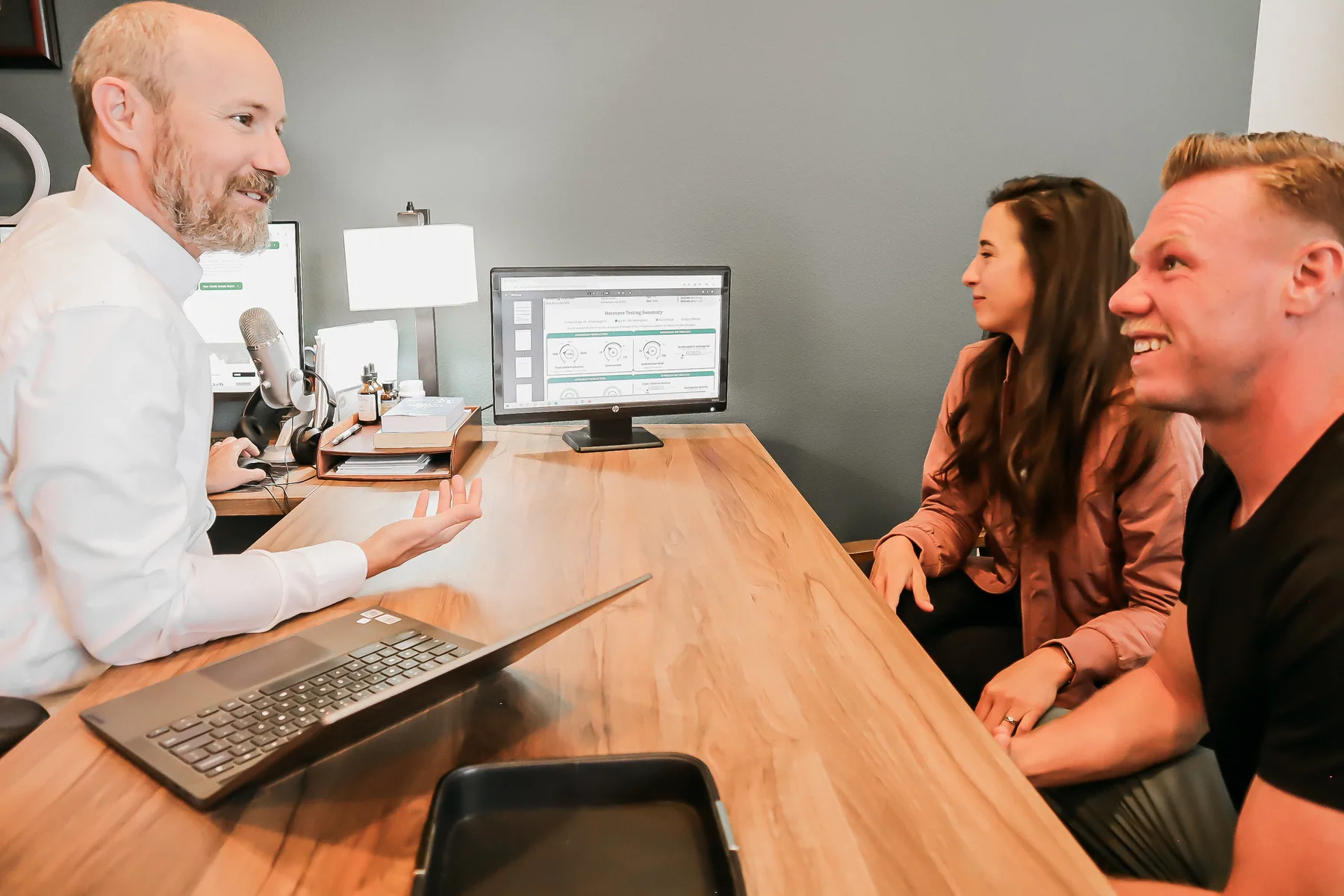
Dr. Rostenberg is gifted in integrating information and seeing the complete picture, making sure you have an actionable plan based on your laboratory data. He will always do his best to utilize any lab report you already have from other providers.
Because of his talent in using and understanding these state-of-the-art tests, Dr. Rostenberg has an excellent relationship with the labs themselves. He has taught for both Great Plains Laboratory and Precision Analytical (DUTCH), helping other providers learn how to interpret and apply laboratory results.
Our laboratory partners and resources include:
Mosaic Diagnostics
Organic Acids Test (OAT).
The Organic Acids Test from Mosaic Diagnostics is a comprehensive metabolic snapshot of your overall health, with 76 significant markers. It is favored by functional medicine practitioners as a powerful screening tool to assess brain and gut function, get key data about vitamin, mineral, and oxidative stress levels, and screen for infections, chronic illnesses, and genetic conditions.
Organic acids are often 100 times more concentrated in urine than in blood. You'll take a sample of first morning urine and mail it to the lab. In about 3 weeks, you'll receive a comprehensive report to review with your doctor.
What the OAT report shows:
- Intestinal yeast and bacteria: bloating, indigestion, flatulence, irregular bowel movements.
- Vitamin and mineral levels: sub-optimal levels can drive fatigue and other symptoms.
- Oxidative stress: cellular damage and toxicity related to many health problems.
- Neurotransmitter levels: atypical dopamine and serotonin patterns can produce symptoms of anxiety or depression.
- Chronic illness markers: including oxalate levels, which are highly correlated with many chronic illnesses.
- Additional patterns: immune deficiencies, acquired infections, and genetic conditions.
Other panels we commonly use.
Precision Analytical
DUTCH Test
Dried urine testing for comprehensive hormones: cortisol patterns, sex hormones, and their metabolites. Dr. Rostenberg has taught for Precision Analytical and interprets DUTCH results in clinical context with your symptoms and history.
Stool tests
Comprehensive stool analysis for digestion, absorption, microbiome, inflammatory markers, and pathogenic organisms. Often paired with the Organic Acids Test for a complete gut picture.
Mold and toxicity testing
Mycotoxin screening, environmental toxic burden, and heavy metal evaluation when the clinical picture points toward an environmental contributor.
Blood tests
Customized to your needs. Depending on the case, the doctor may assess:
- • Iron levels
- • Thyroid function
- • Cholesterol
- • Inflammation
- • Vitamin D
- • Other vitamin and mineral levels
- • Blood sugar response
- • Adrenal stress
- • Toxicity levels
- • Kidney and liver health
Bringing your own results.
If you've already had recent specialty testing done elsewhere (including results that prior providers dismissed as "normal"), bring it. We'd rather build on the data you already have than reorder it. Most functional labs need to be recent to be clinically useful — genetics and other static results are the exception and remain valid no matter when they were run.
Where targeted lab work pays off
Conditions we treat with this approach
The right test for the right question. These are the cases where advanced testing changes the treatment plan most often.
- SIBO & Gut MicrobiomeRestoring digestive function when bacteria overgrow in the small intestine.
- ThyroidBeyond TSH: comprehensive thyroid testing and natural treatment.
- COMT, MAO & Memory CareGenetic methylation pathways behind brain fog, mood, and memory issues.
- Blood Sugar BalanceInsulin resistance, prediabetes and metabolic syndrome — caught early, reversed naturally.
- High Cholesterol & Cardiovascular RiskBeyond the lipid panel — advanced cardiovascular testing and natural heart protection.
- Testosterone RestorationLow energy, low libido, brain fog — restoring healthy testosterone from the foundation up.
See the full list of conditions we treat.
Common questions about lab testing here
- What labs do you most commonly order?
- The most-ordered panels at Red Mountain are the OAT (Organic Acids Test), the DUTCH hormone panel, standard blood chemistry, stool/GI testing, and methylation and genetics panels. These are the workhorses; we add specialty testing (mold, mycotoxin, Lyme, heavy metals, food sensitivity) when a case specifically calls for it.
- Can I bring labs I've already had done?
- Yes, and we want you to. Bring recent bloodwork, hormone panels, imaging reports, prior functional testing, and any genetic data (23andMe, Ancestry, clinical panels). Reusing testing you already have saves you money and gives us a longer timeline of data to work from.
- How long do lab results take to come back?
- Standard bloodwork is usually back in a few days. Functional panels like the OAT and DUTCH typically take three to four weeks. Stool and specialty testing can take longer. We don't wait on labs to begin treatment. The initial plan from your first visit moves forward while results are pending.
Want lab work that actually answers your question?
Register as a new patient and we'll start with the right tests for your case.
Become a Patient